




Five-axis machining center enabling efficient processing of complex parts
Five-axis machining center enabling efficient processing of complex parts
Release date :2024-10-22 Browse times:647
Five-axis machining, a mode of CNC machine tool processing, enables efficient machining of complex parts. The machine tools used are typically referred to as five-axis machines or five-axis machining centers. Five-axis machines can machine different sides of a workpiece without changing its position on the machine, significantly improving the machining efficiency of complex parts. Five-axis machining centers are suitable for processing parts with complex shapes, especially those with curved surfaces
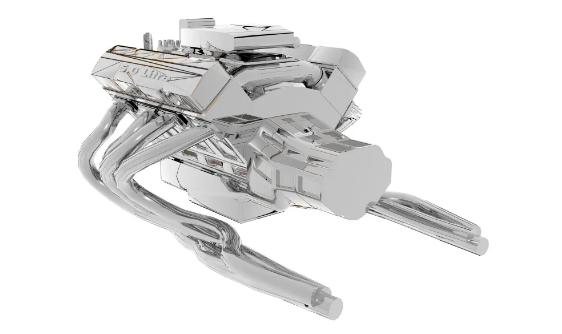
Five-axis machining centers can achieve high-precision machining of complex surfaces, making them suitable for parts such as automotive engine blocks and cylinder heads. 2. Aerospace components
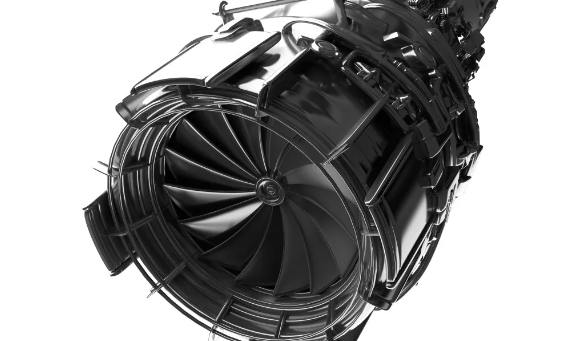
The aerospace industry often requires machining complex components such as turbine blades and inlet guide vanes, and five-axis machining centers can meet their high-precision machining requirements. 3. Ship parts
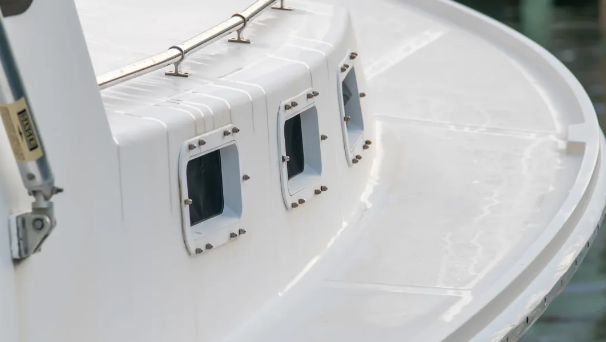
Ship structures are complex and require machining parts of various shapes. Five-axis machining centers can effectively complete these machining tasks. 4. High-end molds
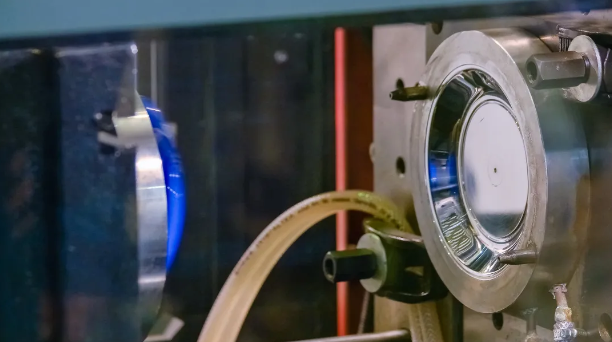
Five-axis machining centers can achieve high-precision processing of molds, including injection molds, die-casting molds, etc. 5. Medical device parts
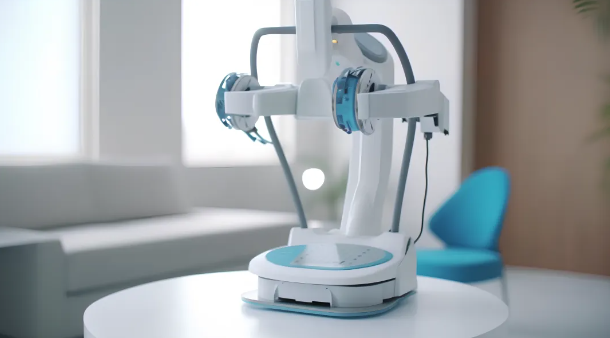
Medical devices often require the machining of fine curved surfaces and small parts, and five-axis machining centers can meet their high-precision and high-efficiency machining requirements. 6. Complex Artworks

The five-axis machining center can carry out processing of complex artistic works, such as sculptures and decorative items.
III. Summary
The advantage of five-axis联动 machining lies in that it enables the tool feed direction to continuously maintain an appropriate angle with the workpiece surface, thereby achieving better surface quality. It also allows for better access to chamfers, and at the same time extends the tool life. The tool is more economically utilized, the cycle time is reduced, and one-time clamping is adopted. All these also save time and reduce the error rate of machine tool processing.