




How to machine composite materials using five-axis machining?
How to machine composite materials using five-axis machining?
Release date :2024-10-16 Browse times:685
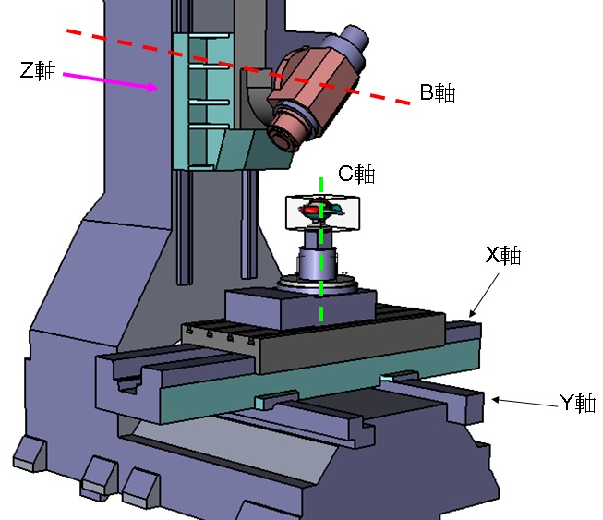
Five-axis machining refers to X/Y/Z linear axes plus rotational axes A/C or B/C. Three-axis machining along X/Y/Z is straightforward, whereas five-axis联动 (simultaneous) machining can process complex curved surfaces or other three-dimensional models. Five-axis联动 machining centers are formed by applying numerical control systems to control operations across five axes. In high-end manufacturing fields such as aerospace and high-speed rail, composite materials are widely used due to their advantages of being lightweight yet strong and having designable properties. Five-axis machining technology is a key means to achieve high-precision processing of these composite materials. The following are detailed steps and precautions for five-axis machining of composite materials.
Steps for five-axis machining of composite materials:
1. Model Export: First, export the three-dimensional model of the composite material workpiece from the design software to facilitate subsequent machining
3、
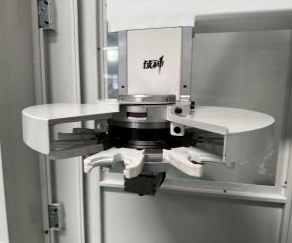
Tool Selection: Select appropriate tools based on the characteristics of composite materials and the results of numerical model analysis. Tool selection should take into account the material's hardness, fiber orientation, and tool wear characteristics.
4、
Tool Path Settings: Using CAM software, set appropriate tool paths based on tool parameters, workpiece material, and machining requirements. Tool paths should avoid excessive cutting and tool interference.
5. Program Simulation: Simulate the machining tool paths on a computer to check for interference and collisions, ensuring the safety of the machining process.
6. Workpiece Fixturing: Secure the workpiece on the worktable to ensure its stability during the machining process.
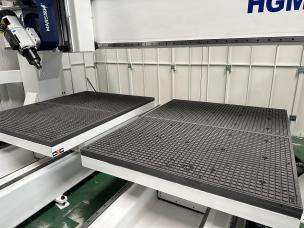
7. Machining Execution: Execute the machining program on a five-axis machining center to perform precision machining on composite material workpieces.
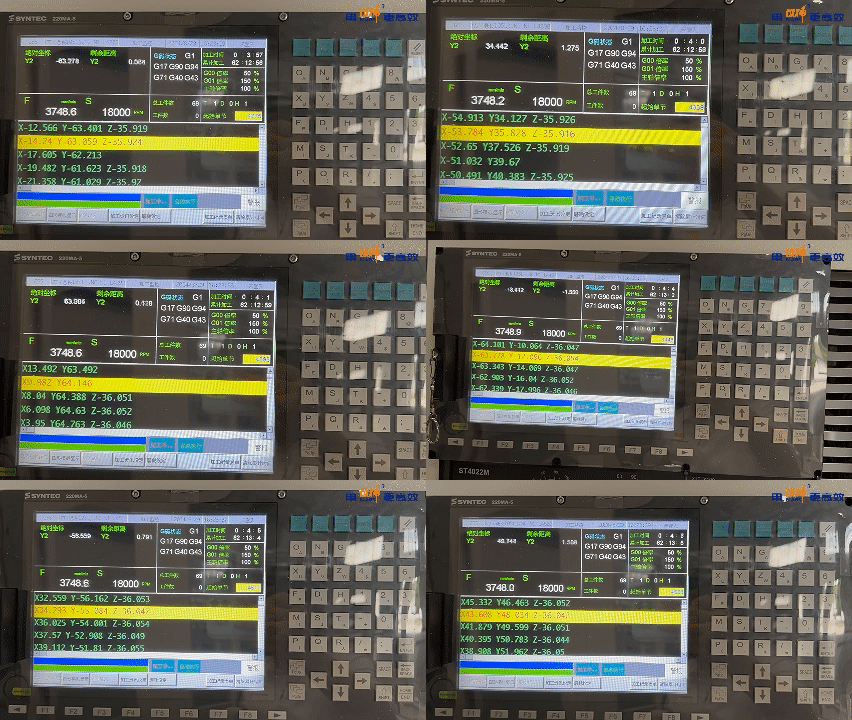
8. Machining Inspection: After machining is completed, the workpiece is inspected, including dimensional accuracy, surface quality, and whether there are any machining defects.
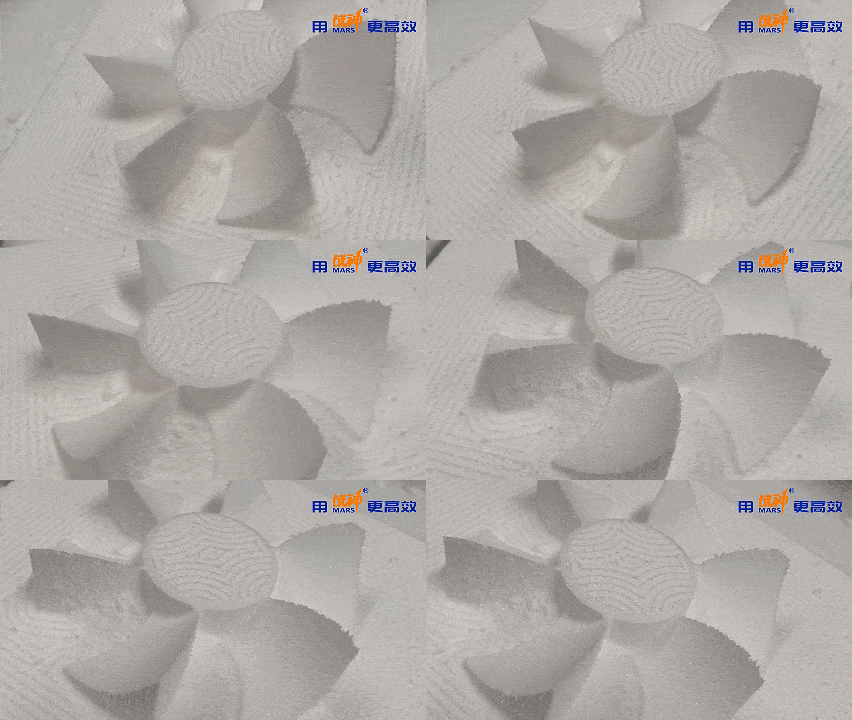
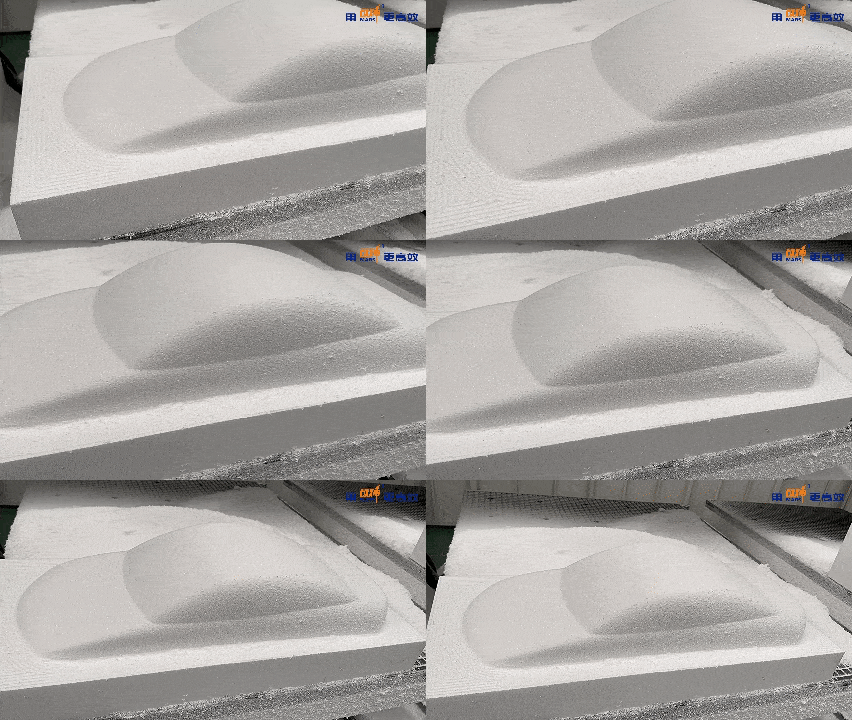
9. Data Statistics and Optimization: Record key data during the processing, such as processing time, encountered issues, and workpiece inspection errors. Continuously optimize the processing technology through data analysis.
10. Repeated Testing: In actual production, multiple tests and adjustments may be required to achieve the best processing results.
Notes: A margin should be left in each processing to facilitate subsequent finishing and processing. Tools should be regularly inspected and replaced to avoid processing quality issues caused by tool wear. Pay attention to the use of cutting fluid during processing to reduce the risk of tool wear and workpiece damage.
。