




Composite material processing Types Technologies and practices
Composite material processing Types Technologies and practices
Release date :2025-06-25 Browse times:348
In the processing of composite materials, different techniques are used to cut, form and drill composite materials. Due to the higher durability and better performance of composite materials, this processing plays a significant role in the manufacturing of advanced products.
Therefore, in this blog post, we will introduce different types of composite materials and their processing technologies. We will also introduce the applications and best practices of composite material processing.
Polymer matrix composites (PMC), a commonly used type of composite material in mechanical processing, are engineering materials in which the polymer matrix (such as polyamide or epoxy resin) is reinforced by particles or fibers. These composite materials are stronger, lighter in weight and have excellent corrosion resistance. They are usually classified into these three categories.
Carbon fiber reinforced polymer
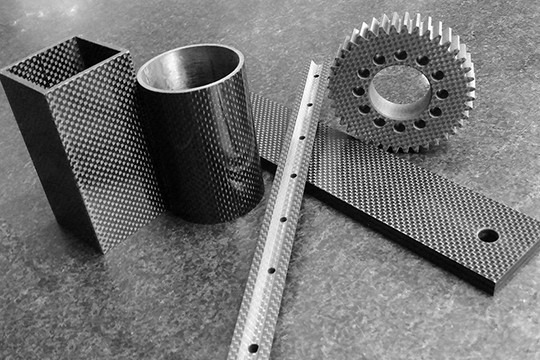
This type of polymer features carbon fibers embedded in the polymer matrix, making it lightweight yet extremely strong. These composite materials possess impressive fatigue resistance and corrosion resistance. Therefore, they are suitable for high-performance applications such as automotive parts and aircraft structures.
Glass fiber reinforced polymer
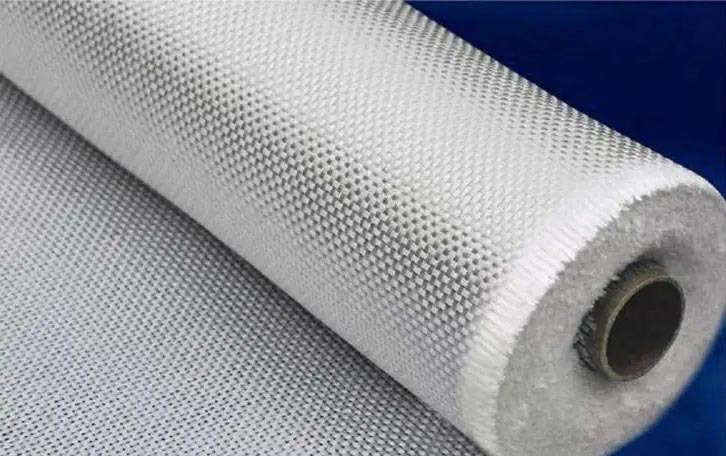
GFRP is composed of glass fibers embedded in a polymer matrix. These materials have good mechanical strength and corrosion resistance. It is commonly used in Marine, construction and transportation applications.
Fiber-reinforced plastic
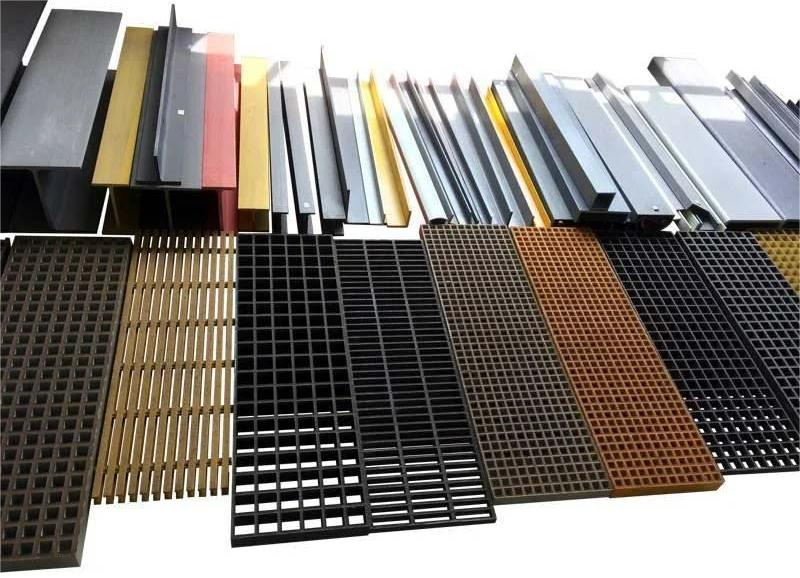
FRP is composed of a polymer matrix reinforced with fibers such as carbon fiber, aramid or glass. These components are corrosion-resistant and extremely lightweight. Therefore, they are usually used in applications where the strength-to-weight ratio is of great significance. For example, automotive, Marine and structural applications.
Composite material processing technology
Traditional processing
Drilling
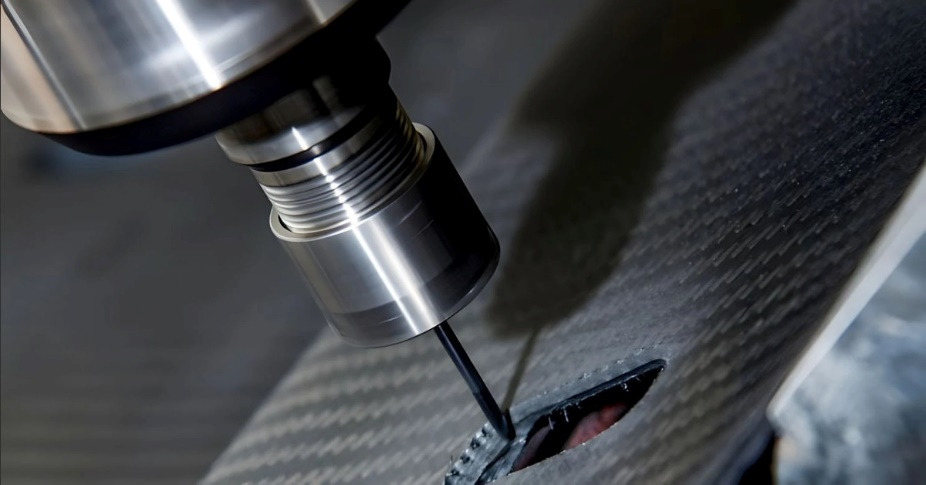
Drilling can form precise holes in composite materials. In this technology, step drills and diamond-coated tools are used for processing at a controllable speed and precise feed rate. This technology is applicable to applications where high-precision holes are crucial for structural integrity and assembly, such as the aerospace industry.
grinding
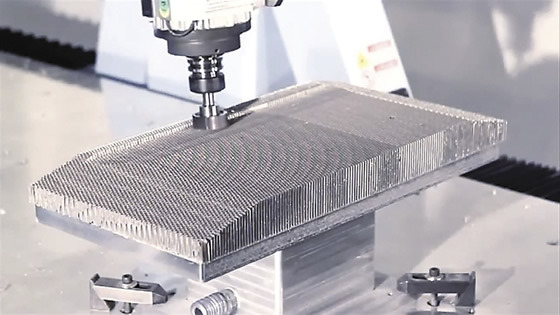
In CNC milling, special cutting tools with positive rake angles and rotational cutting actions are used to remove material from composite workpieces. This process operates at a controlled field rate and a fast spindle speed to avoid delamination. In addition, this technology is most suitable for surface profile and edge trimming of components such as GFRP and CFRP.
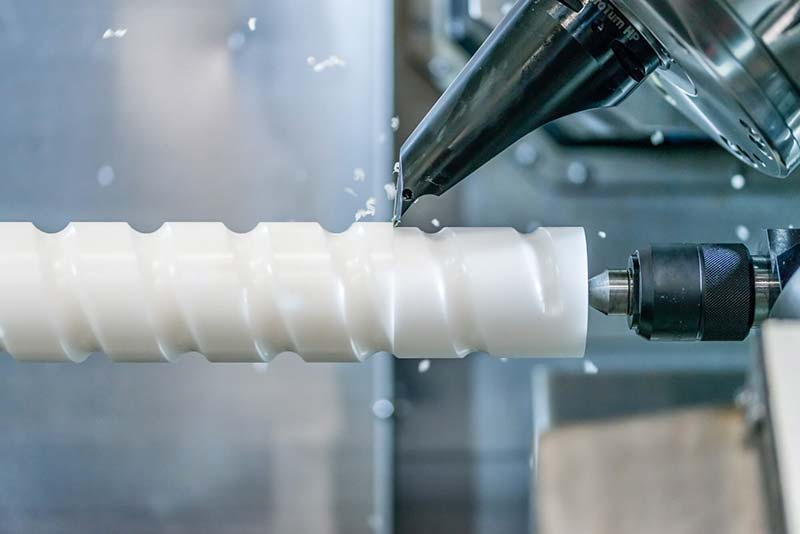
During the turning process, the compound workpiece rotates and the cutting tool removes the material to form a cylindrical shape. This method offers strict tolerances, fast production times and excellent precision.
Turning is suitable for manufacturing bearings and composite shafts. However, it faces challenges in high-precision aerospace applications, especially when controlling fiber orientation.
Composite material processing tools
Cutting tool material
It has a significant impact on tool life, the quality of the final workpiece and processing efficiency. Diamond-coated cutting tools have excellent hardness and wear resistance, which makes them suitable for abrasive composites. On the other hand, hard alloy tools are more suitable for quick operation due to their toughness and strength.
Tool geometry
The geometry of the cutting tool directly affects the cutting efficiency and surface quality during the processing of composite materials. A positive rake Angle can reduce the cutting force, thereby lowering the risk of delamination in composite materials. The further optimized drill bit geometry can minimize the thrust during the drilling process, thereby extending the tool life and providing smooth hole quality.
Tool coating
Advanced tool coatings enhance the processing performance of composite materials through special surface treatments. DLC coating has extraordinary toughness and reduces friction when processing GFRP and CFRP materials. Tien coating has excellent wear resistance and heat resistance up to 800°C when processing advanced composite materials.
Industry application
Aerospace
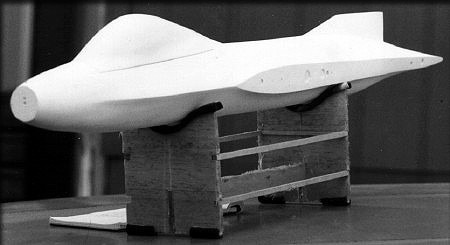
In the aerospace industry, composite material processing is used to manufacture parts such as wings, structural components, tail wings, and fuselages. These materials enhance corrosion resistance, strength-to-weight ratio and fuel efficiency in modern aircraft applications.
Automobile
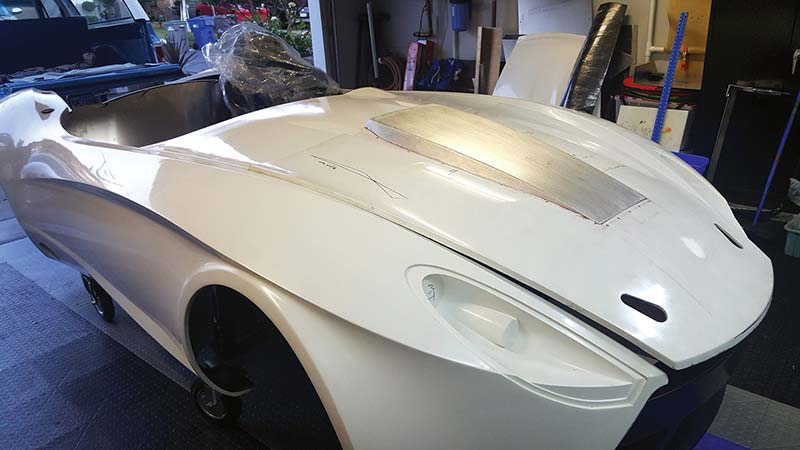
Compound processing is used to manufacture durable and lightweight automotive parts. These components include the engine hood, body panels, door trim panels, chassis, instrument panel components, etc.
Renewable energy

Composite material processing is used for solar panel frames, wind turbine blades and hydropower components. Blades made of GFRP and CFRP materials are both durable and strong. In addition, these materials also reduce maintenance requirements and enhance the performance of the turbine.
Consumer electronic products
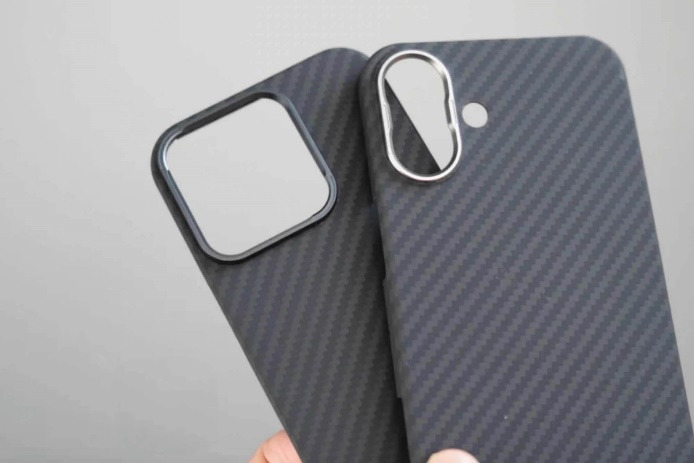
tries such as renewable energy, aerospace, and automobiles. Manufacturers can enhance productivity and the overall performance of the machining process through appropriate fixtures and better cutting parameters.
If you need any type of composite material processing service - milling, turning, drilling - then God of War is the best choice. You can contact us at any time.