




How to distinguish natural quartz stone from artificial quartz stone
How to distinguish natural quartz stone from artificial quartz stone
Release date :2018-08-28 Browse times:5033
Nowadays, as life becomes increasingly tech-driven, home furniture has evolved from traditional purchases to full-house custom home design. Among the various spaces in full-house custom home design, aside from the living room and bedroom, the kitchen stands out as an important area for decoration. Quartz (marble) countertops not only look bright and clean but are also easy to clean stains, making them very convenient to use. So here's the question: with so many dazzling quartz (marble) countertops available on the market, how can people distinguish between natural quartz and engineered quartz? The editors of Hefei Jindiao, a quartz processing center manufacturer, have found the answer for everyone!
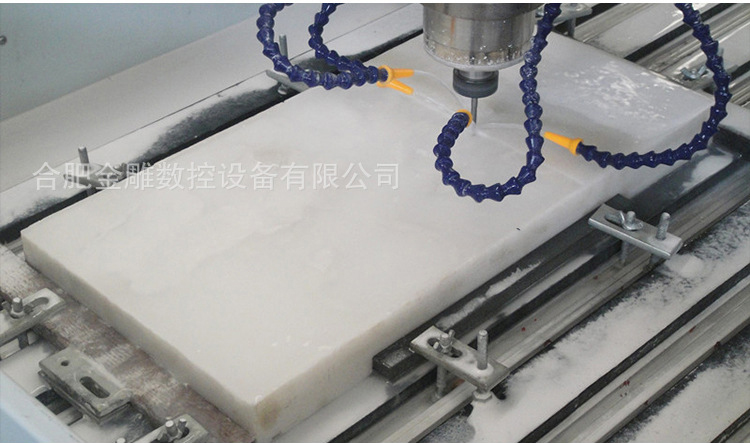
At first glance, quartz stone typically has transparent or semi-transparent particles because the main component of silestone is quartz crystals. On the other hand, engineered stone is mostly made of opaque particles, as its primary materials are a combination of acrylic and natural stone powder.

At first glance, quartz stone typically has transparent or semi-transparent particles because the main component of silestone is quartz crystals. On the other hand, engineered stone is mostly made of opaque particles, as its primary materials are a combination of acrylic and natural stone powder.

Secondly, quartz stone is harder than man-made stone. Therefore, it is recommended to choose quartz stone for kitchen countertops, while man-made stone is generally suitable for bathroom countertops. When joining, quartz stone joints typically have visible gaps. However, due to its good flexibility, man-made stone can be shaped into curves, resulting in almost invisible joints during installation. Nevertheless, there may be cases where the craftsmanship is not as meticulous or the technical skill is not as high.