



You should learn about the management of panel furniture
You should learn about the management of panel furniture
Release date :2019-08-16 Browse times:2219
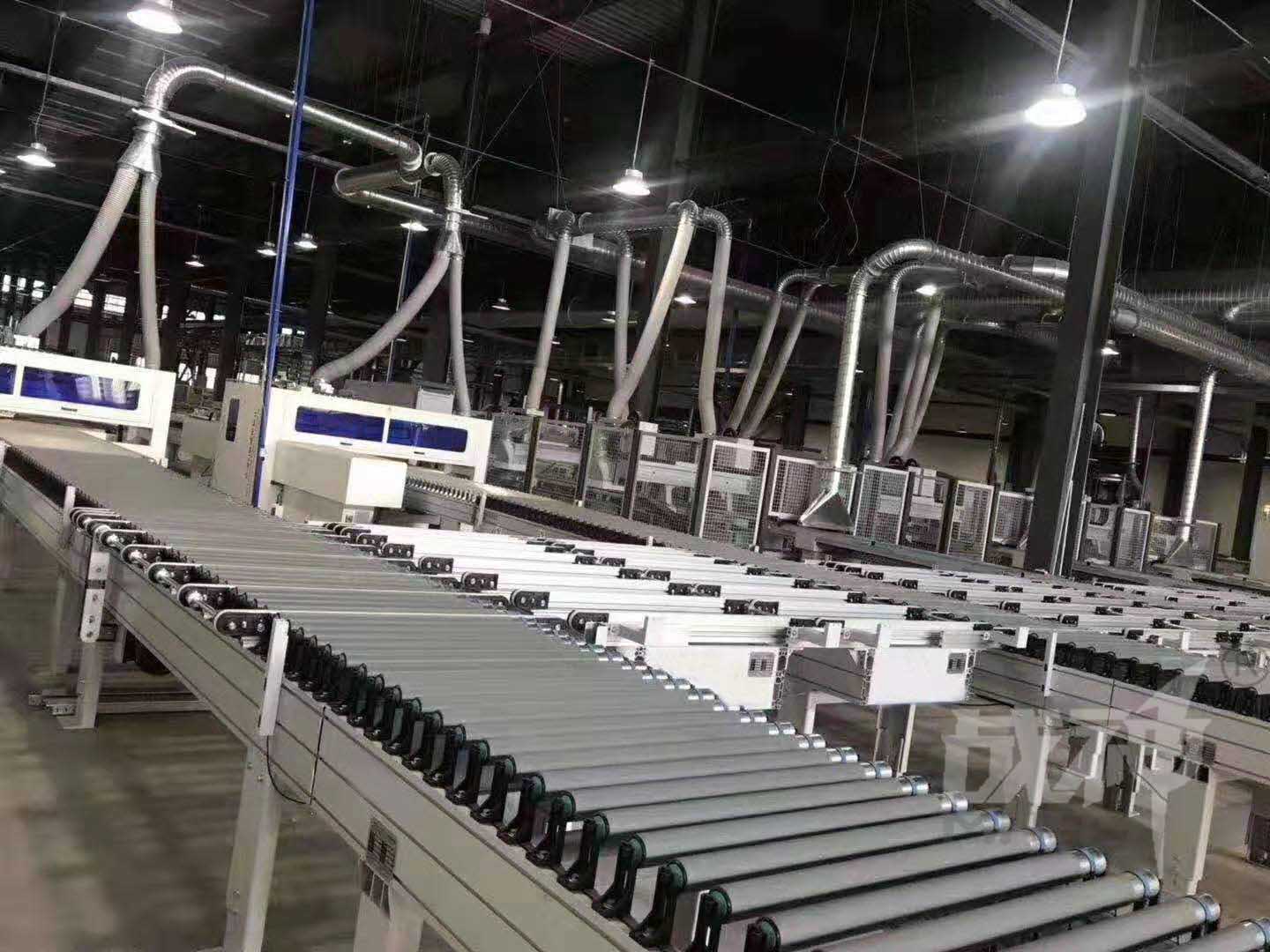
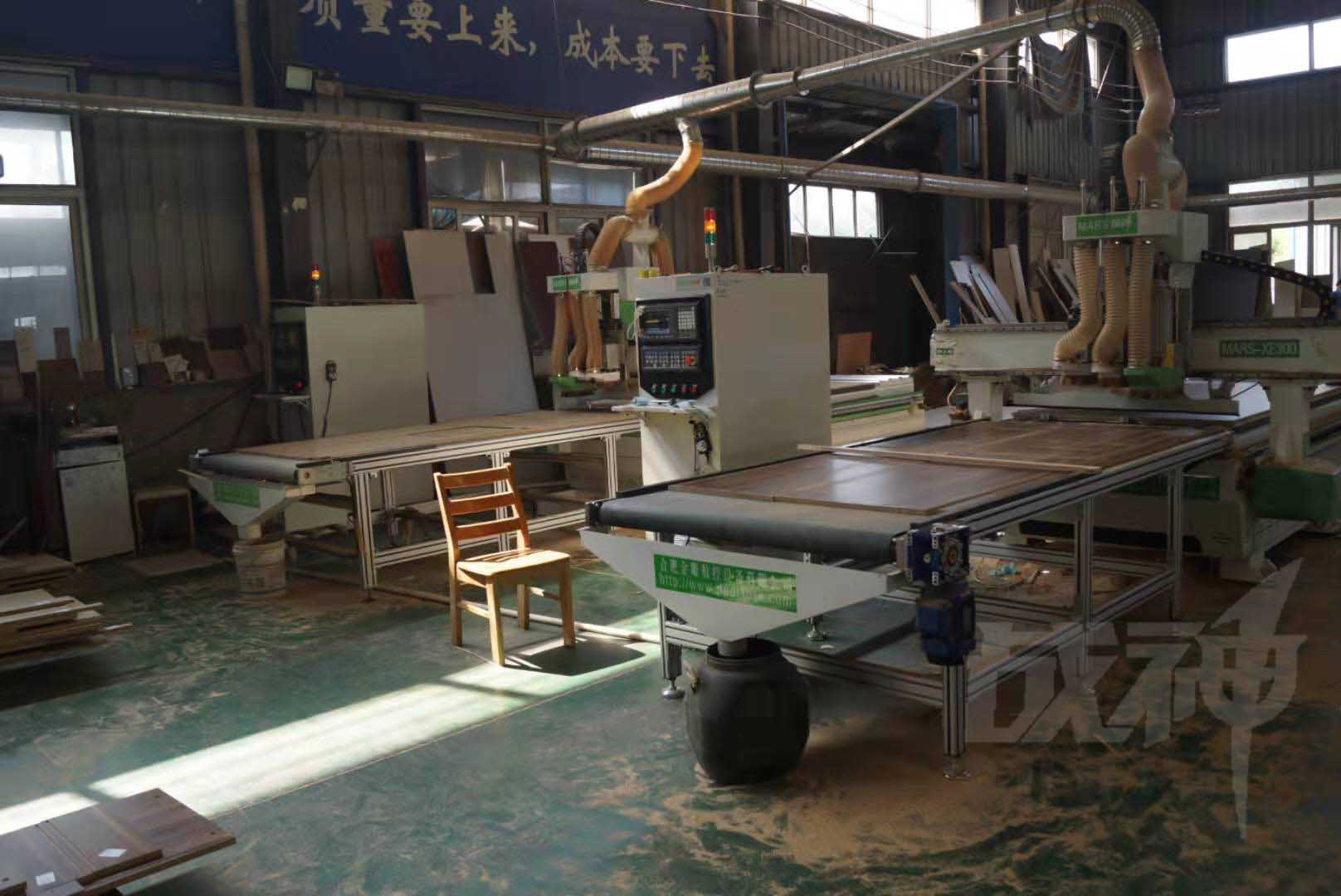
Furniture production equipment is an important tool and means for furniture factories to engage in production and operation, and it is also a material symbol of the level of social productive forces. The technical condition of the equipment not only relates to the quality of the enterprise's products but also affects the enterprise's economic benefits. Therefore, managing and using plate furniture production equipment well and improving equipment management levels have very important significance for promoting enterprise progress and development.
I. Equipment Inspection
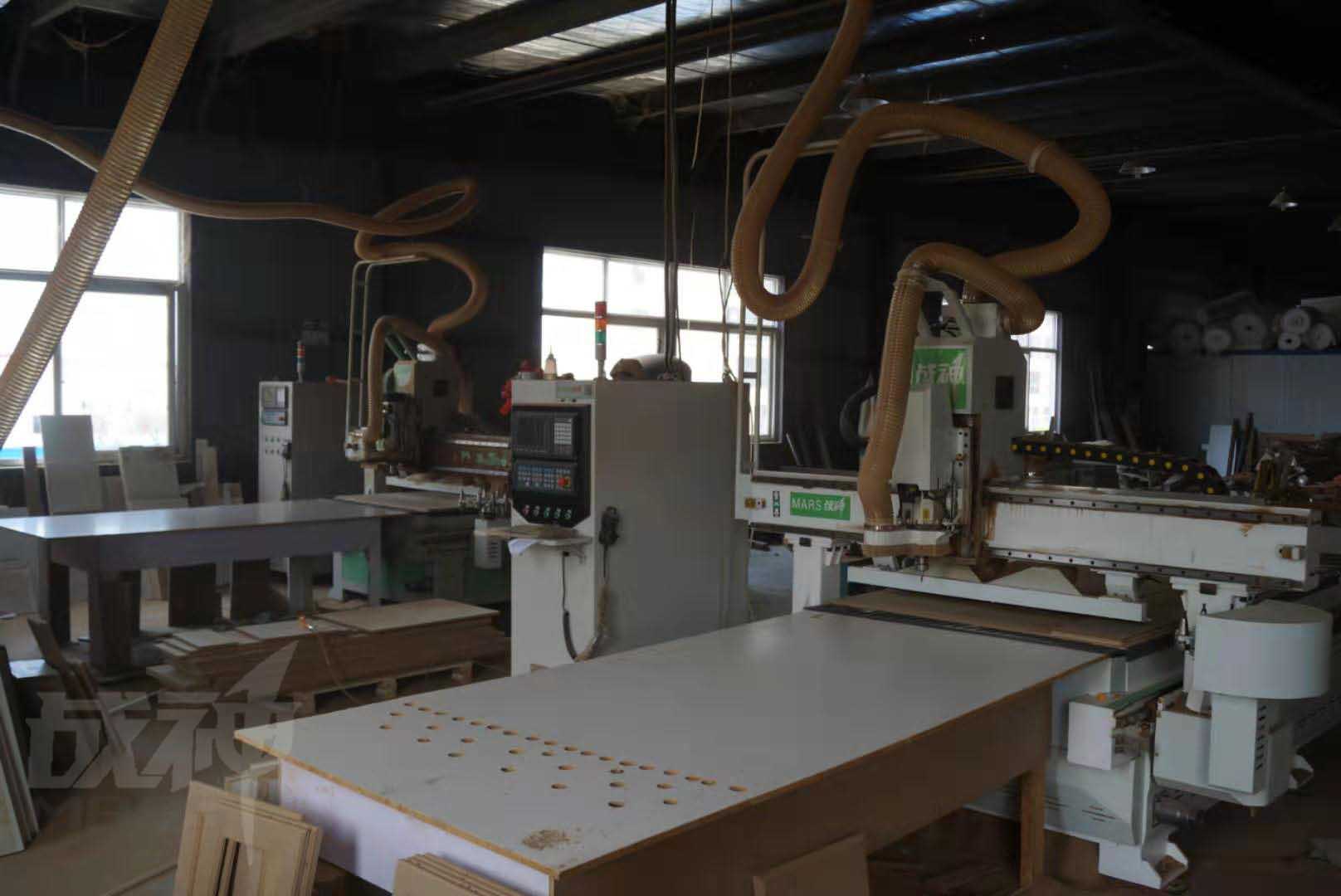
The equipment inspection system refers to a method of checking equipment by operators or maintenance workers using visual observation and simple testing tools, within specified time intervals, following prescribed inspection standards (content) and cycles, in order to maintain the specified performance of the equipment.
Advantages of the inspection system: It can promptly identify hidden dangers in equipment, eliminate faults at an early stage, prevent further deterioration of equipment and the occurrence of equipment accidents. Through the accumulation of inspection data, experience can be continuously summarized, maintenance standards can be improved, equipment performance can be kept stable, and equipment lifespan can be extended.
During equipment inspection, it is advocated that all personnel involved participate. Managers, operators, and auxiliary staff related to the equipment are encouraged to contribute their insights, which are then standardized and organized into an inspection system that embodies human-centered design and strong operability.
Content of equipment inspection: There are ten key elements for equipment inspection: pressure, temperature, flow rate, leakage, lubrication status, abnormal noise, vibration, cracks, wear
II. Equipment Lubrication Management
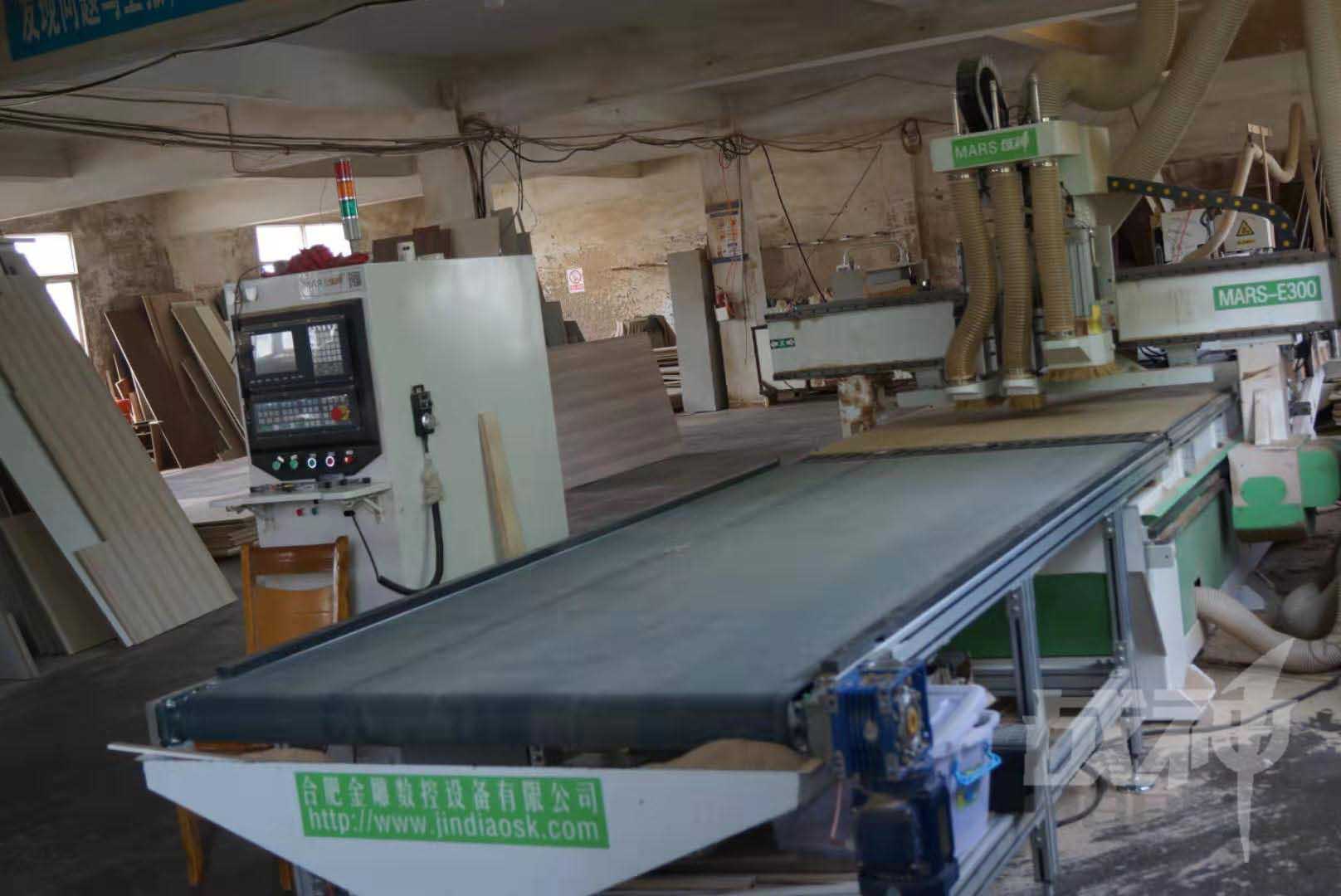
Correctly selecting various lubrication materials and performing lubrication according to specified times, locations, and quantities to reduce friction, minimize wear, and ensure good lubrication of the equipment is an important guarantee for the safe, stable, continuous, and efficient operation of the equipment. Equipment lubrication management requires the formulation of various management systems, the compilation of lubrication procedures, and the inspection
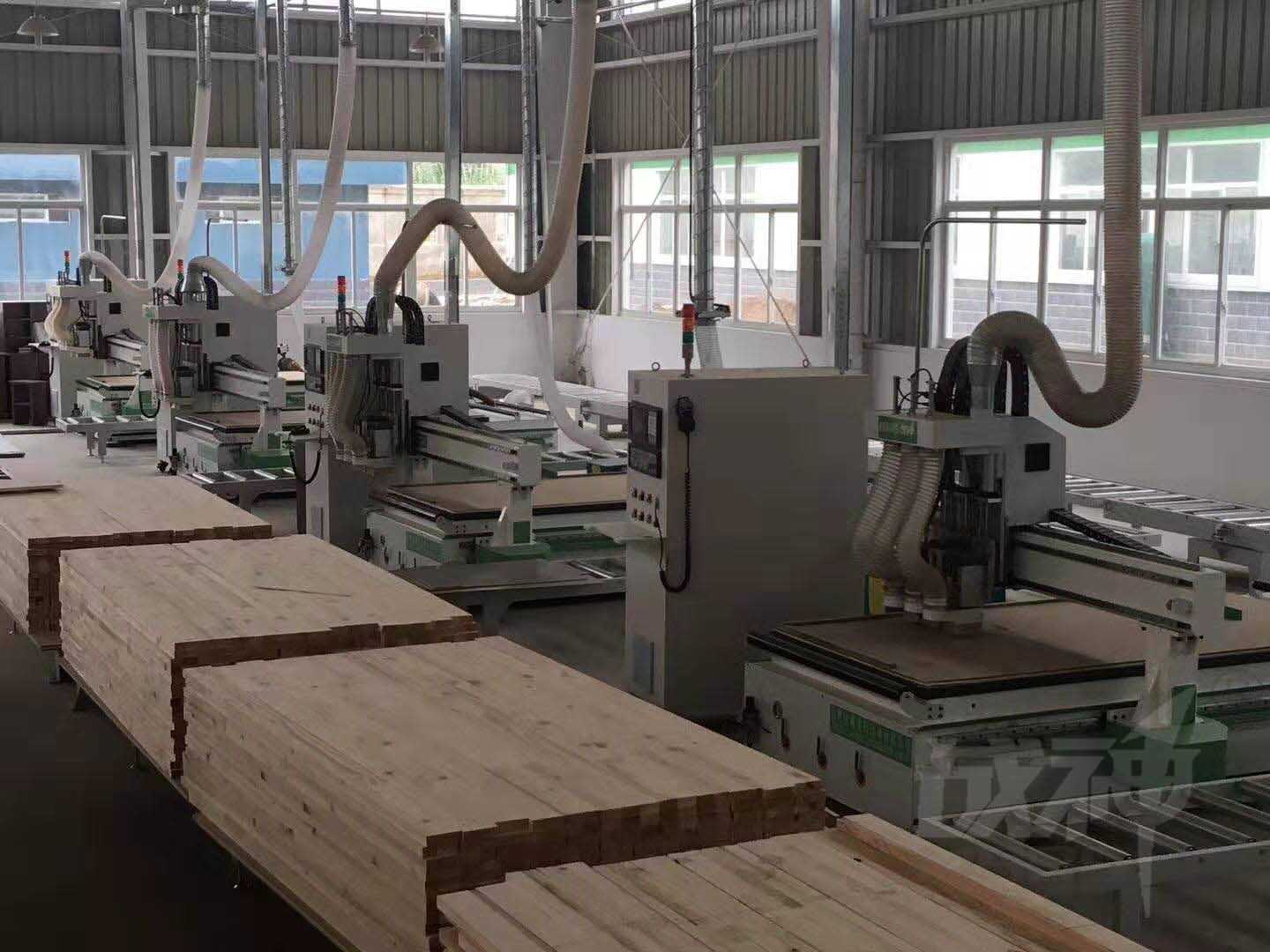
Equipment maintenance management can be divided into five methods: corrective (passive) maintenance, preventive (active) maintenance, condition-based maintenance, improvement maintenance, and renovation maintenance. The following will introduce each of these five methods separately.
Corrective (Passive) Maintenance: Corrective maintenance, also known as passive maintenance, refers to a maintenance activity where repairs are carried out only after equipment problems are detected. The advantage of this maintenance method is that it does not require prior planning, is simple to implement, and can fully utilize the physical life of the equipment's parts, resulting in lower maintenance costs.
Applicable Scope: For equipment with non-critical roles in production or with substitute options, the (passive) maintenance method can be adopted.
Preventive (Active)
Equipment maintenance management can be divided into five methods: corrective (passive) maintenance, preventive (active) maintenance, condition-based maintenance, improvement maintenance, and renovation maintenance. The following will introduce each of these five methods separately.
Corrective (Passive) Maintenance: Corrective maintenance, also known as passive maintenance, refers to a maintenance activity where repairs are carried out only after equipment problems are detected. The advantage of this maintenance method is that it does not require prior planning, is simple to implement, and can fully utilize the physical life of the equipment's parts, resulting in lower maintenance costs.
Applicable Scope: For equipment with non-critical roles in production or with substitute options, the (passive) maintenance method can be adopted.
Preventive (Active)
V. Safety Management
Safety management encompasses the management of personal safety and equipment safety. In production, people must be the core concern; the safety of equipment management, to some extent, also serves as a safeguard for personal safety. Since the aforementioned various management measures target equipment safety, further elaboration on safety management is omitted here.
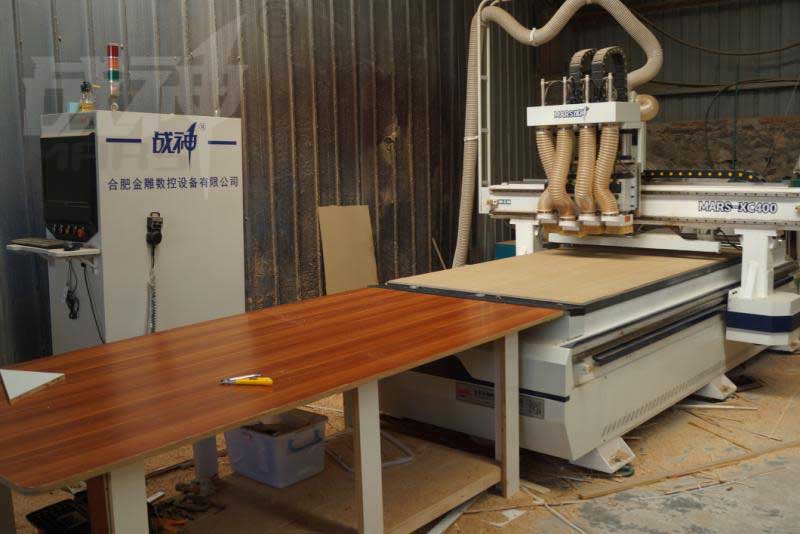
Panel furniture production equipment (woodworking machinery) constitutes an important material foundation for modern enterprise production activities and plays a significant role in production, with its influence and impact continuously expanding. As a comprehensive applied discipline, equipment management keeps pace with the times in both theoretical and practical aspects. We can only continuously improve the level of equipment management by adhering to the pursuit of economic benefits, strengthening management, and increasing efforts in innovative management.