



Some safety hazards and precautions to be aware
Some safety hazards and precautions to be aware
Release date :2018-07-28 Browse times:9930
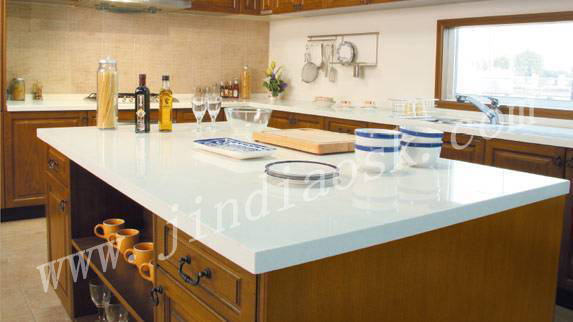
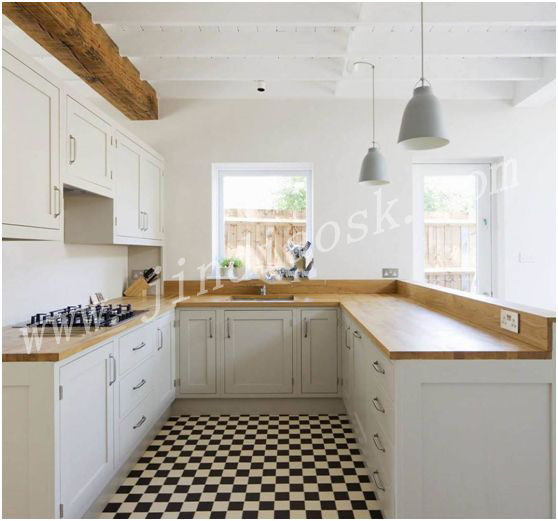
Quartz stone and marble are frequently encountered in daily life at home and in shopping malls. The place where they are used most often is the countertop in the kitchen. This is because quartz stone slabs are formed by the high hardness of quartz sand and high-frequency pressing under vacuum conditions. Therefore, quartz stone and marble have become popular choices for kitchen countertops
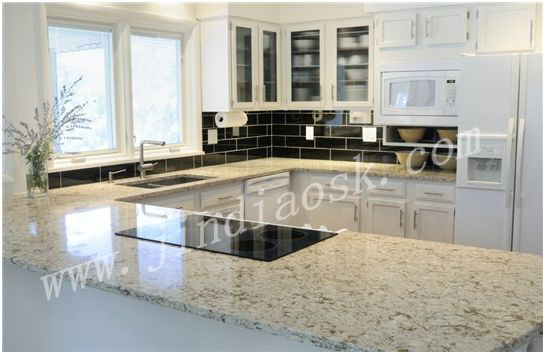
However, when manufacturing artificial quartz countertops, some potential hazards need to be taken into consideration to produce high-quality finished products. Hefei Jindiao CNC Baodiao Quartz Processing Center and Heavy-duty Stone Carving Machine National Consulting Hotline: 0551-63454286.

Quartz stone countertops are composed of components such as the countertop surface, water guard, overhang, sink cutout, stove cutout, and gas pipe hole. During the processing of quartz stone countertops, a major issue to prevent and avoid is chipping along the edges during material cutting, as chipping is one of the causes of countertop cracking. Additionally, during transportation, it is essential to strictly prohibit the panels from being impacted, as this can easily lead to cracking later on.
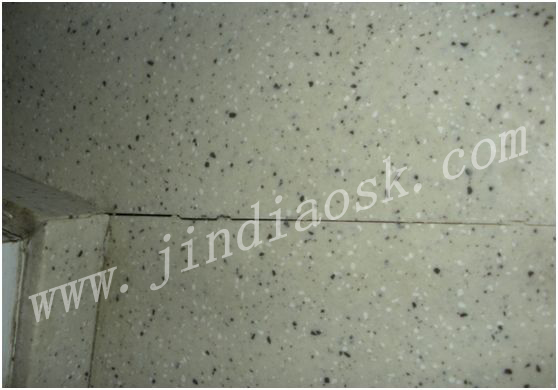
Precautions for cutting, joining, and drilling when processing: Before cutting, first check if there are color differences between the two pieces of board to be used to prevent affecting the overall countertop appearance after installation. Joining is a crucial step; considering aesthetics, it should be done with seamless joints. When joining, use resin glue that matches the board (prepared by the quartz stone manufacturer or specified by the manufacturer) for countertop drilling. After the countertop is processed, most people choose to have the factory drill holes. However, it is important to note that rounded corner drilling should be selected because square corner drilling may significantly increase the risk of countertop cracking later. When sanding both sides of the joint, water sanding must be used to achieve the same surface finish as the board. If sanding is not done meticulously, dust accumulation over time at the sanded area can cause the countertop to become dirty and discolored, which